Living in the Pacific Northwest means lush landscapes, green scenery—and a lot of rain. While wood fencing remains a popular choice for homeowners in Tacoma, constant moisture can shorten its lifespan if it isn’t properly protected.
The good news? With the right materials, treatments, and maintenance, your wood fence can last for many years—even in a wet climate.
Here’s how to keep your fence strong, beautiful, and rot-free.
Choose the Right Wood from the Start
Not all wood performs the same in damp environments. Some species naturally resist moisture, insects, and decay better than others.
Best options for PNW weather:
- Cedar — Naturally resistant to rot and insects, lightweight, and stable
- Redwood — Highly durable, but more expensive and less common locally
- Pressure-treated pine — Budget-friendly, but must be sealed regularly
Cedar is often the top choice for the Puget Sound region because it handles moisture well and ages gracefully when maintained.
Seal Your Fence—And Reapply Regularly
One of the most important steps in protecting a wood fence is sealing it.
Sealants and stains:
- Block moisture penetration
- Reduce swelling and warping
- Slow down rot and mildew growth
- Protect against UV fading
For best results:
- Apply a water-repellent stain or sealer
- Reapply every 2–3 years (or sooner if the finish wears off)
- Choose products designed for wet climates
Transparent stains show more of the wood grain, while semi-solid or solid stains offer more protection.
Keep the Bottom of the Fence Dry
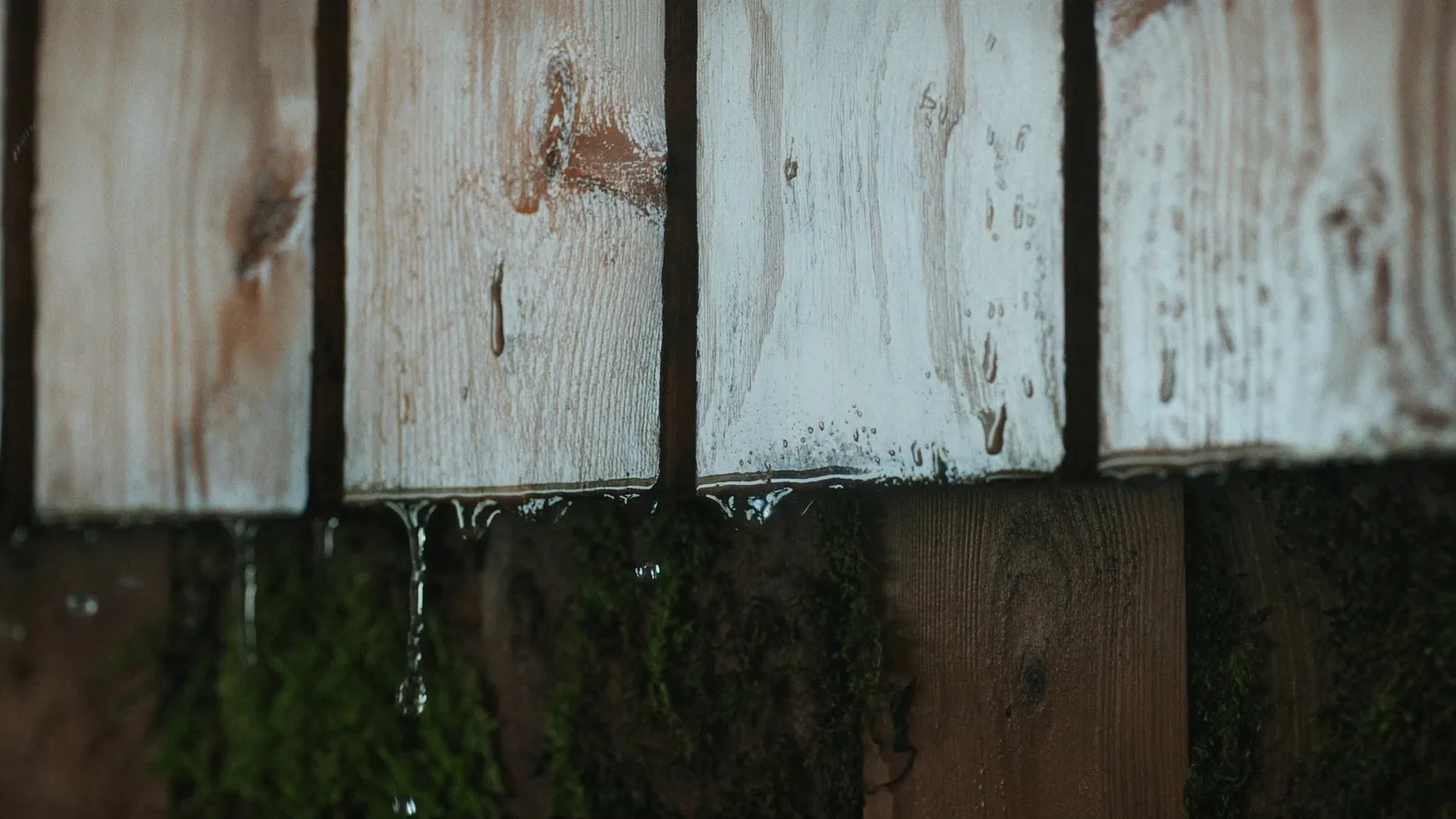
Most fence damage begins at ground level, often affecting the fence posts first. Constant contact with wet soil allows moisture to wick into the wood, accelerating rot.
To prevent this:
- Leave a 1–2 inch gap between the fence boards and soil
- Avoid burying wood panels
- Make sure posts are properly set with drainage in mind
- Keep mulch, soil, and debris away from the base
This small detail can dramatically extend the life of your fence.
Maintain Good Drainage Around Your Fence
Standing water is the enemy of wood.
Check your yard for:
- Poor runoff paths
- Low spots that trap water
- Downspouts draining directly toward the fence
If needed, adjust grading or install simple drainage solutions to move water away from the fence line.
Clean Your Fence Once a Year
Mold, mildew, and algae thrive in damp environments. A yearly cleaning helps prevent buildup that can degrade wood fibers.
How to clean:
- Use a mild soap and water
- Soft brush or low-pressure wash
- Avoid aggressive pressure washing—it can damage wood
After cleaning, allow the fence to fully dry before applying any sealants or stains.
Watch for Early Signs of Trouble
Catching issues early prevents major repairs later.
Look for:
- Dark or soft spots
- Warping or splitting boards
- Green or black mildew growth
- Rusting hardware
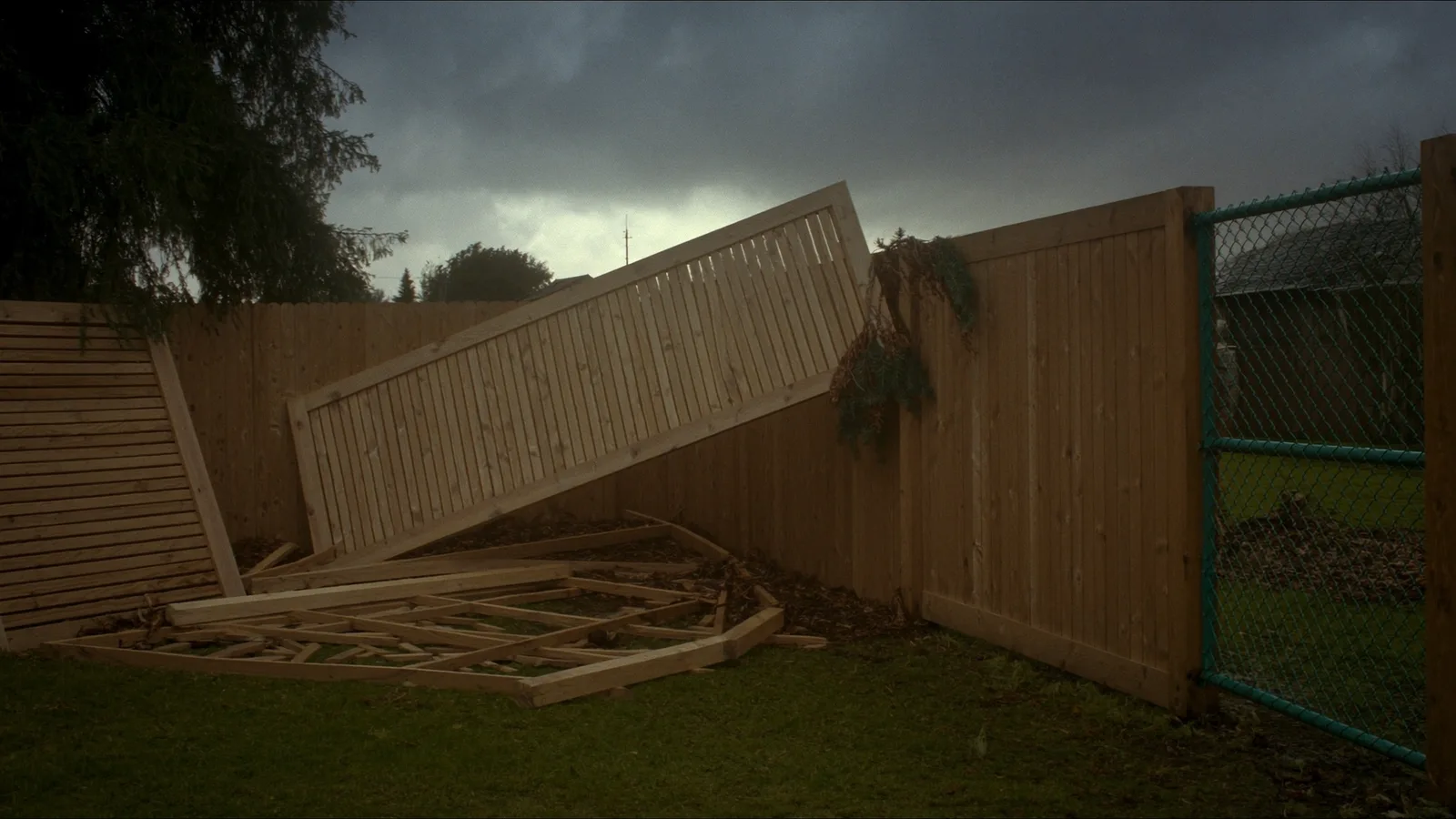
- Loose or leaning posts
Addressing small problems right away can save thousands in replacement costs.
Invest in Proper Installation
Even the best materials won’t last if the fence isn’t installed correctly.
Proper installation includes:
- Deep-set posts
- Gravel bases for drainage
- Weather-resistant fasteners
- Correct board spacing for expansion
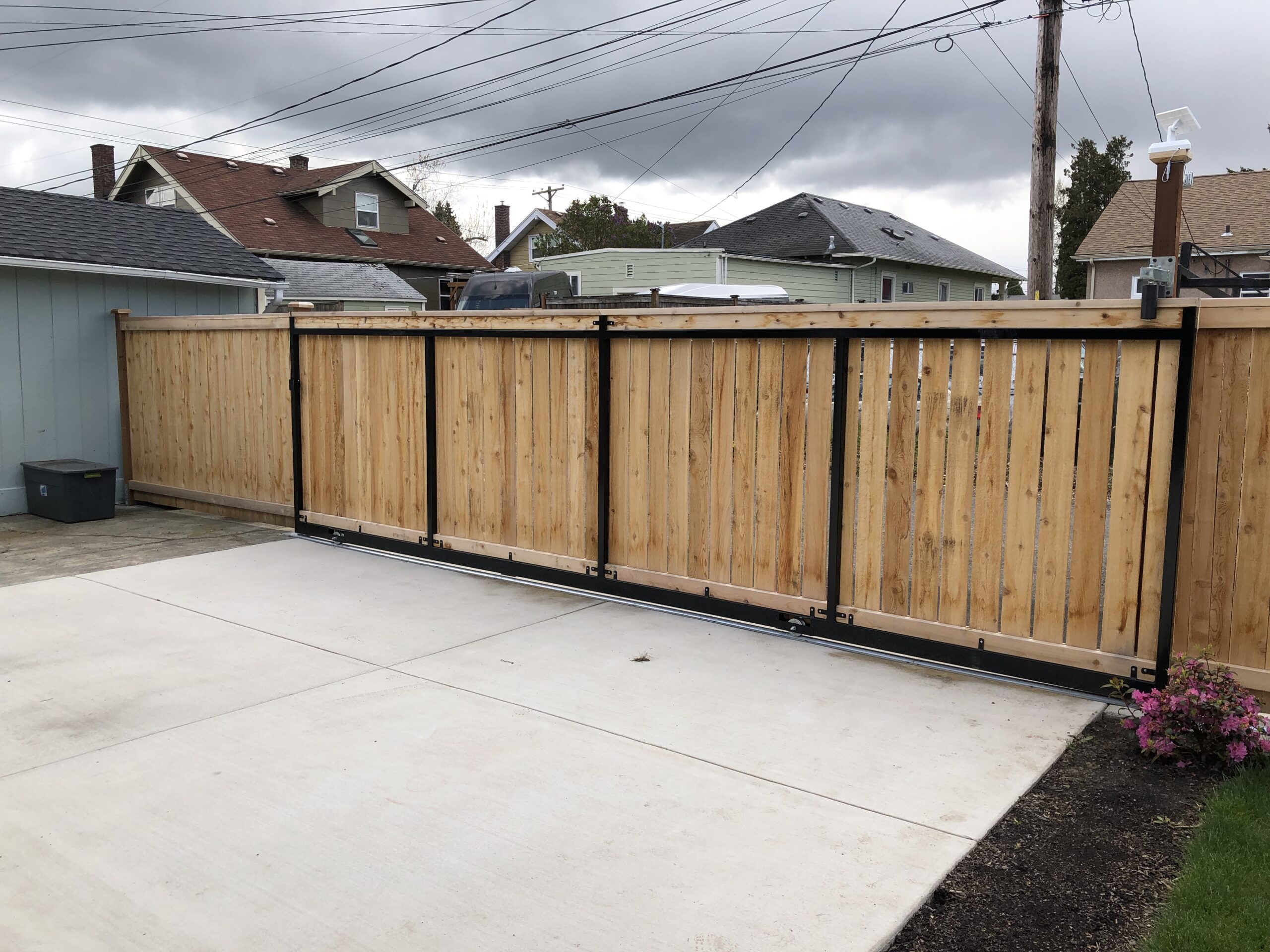
Professional installation ensures your fence is built to handle heavy rain, wind, and seasonal movement.
Seasonal Maintenance Calendar
PNW weather runs on seasons, and your fence should too. Here's the schedule we recommend for cedar fences in Tacoma:
| Season | Tasks |
|---|---|
| Spring (Mar–May) | Walk the fence line, check for winter damage, clear leaves and debris from the base, apply stain or sealer if due |
| Summer (Jun–Aug) | Best time for major staining projects (dry wood + warm temps), trim vegetation touching the fence, check gate alignment |
| Fall (Sep–Nov) | Clean off summer dirt and algae, tighten loose hardware, check drainage before winter rains, touch up any bare spots |
| Winter (Dec–Feb) | Inspect after windstorms, clear leaves and standing water from the base, plan any repairs for spring |
The biggest seasonal mistake we see is trying to stain in spring or fall when the wood is damp. Stain doesn't bond well to wet wood in our climate — wait for a dry summer stretch.
Final Thoughts
A wood fence can absolutely thrive in the Pacific Northwest — but only if it's protected against constant moisture. With the right materials, smart design, and regular maintenance, you can enjoy your fence for decades instead of years.
If you're unsure how to protect your existing fence or want to build one designed specifically for PNW weather, a professional consultation can help you make the right choices from the start. We also offer fence staining and restoration services throughout the Tacoma area.