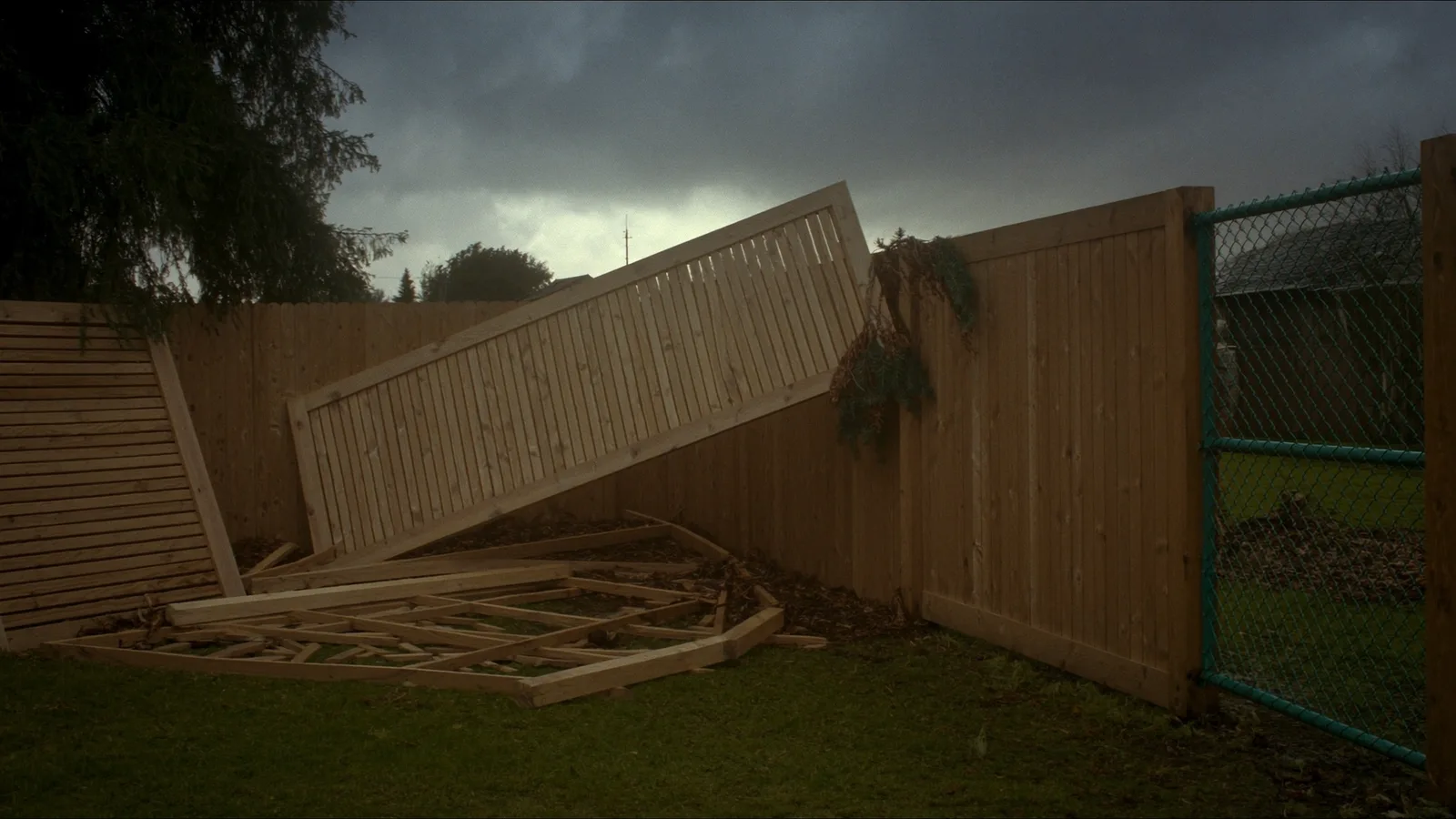
If you live anywhere around Puget Sound, you know the pattern: a wet fall softens the ground, then a windstorm rolls through and suddenly a section of fence is leaning, sagging, or flat on the lawn. Fences take a beating here, and every year Tacoma and Pierce County homeowners face the same question after a big blow — do I repair it, replace it, or wait?
This guide walks through how to assess storm damage honestly, when a repair makes sense versus a full replacement, what to do in the first hours after a fence goes down, and how to keep it from happening again.
Why Fences Fail in Pacific Northwest Storms
Almost all storm damage in our region comes down to two forces working together:
- Wind load: A solid privacy fence acts like a sail. Strong gusts push hard against the whole surface, and that force concentrates at the posts and footings.
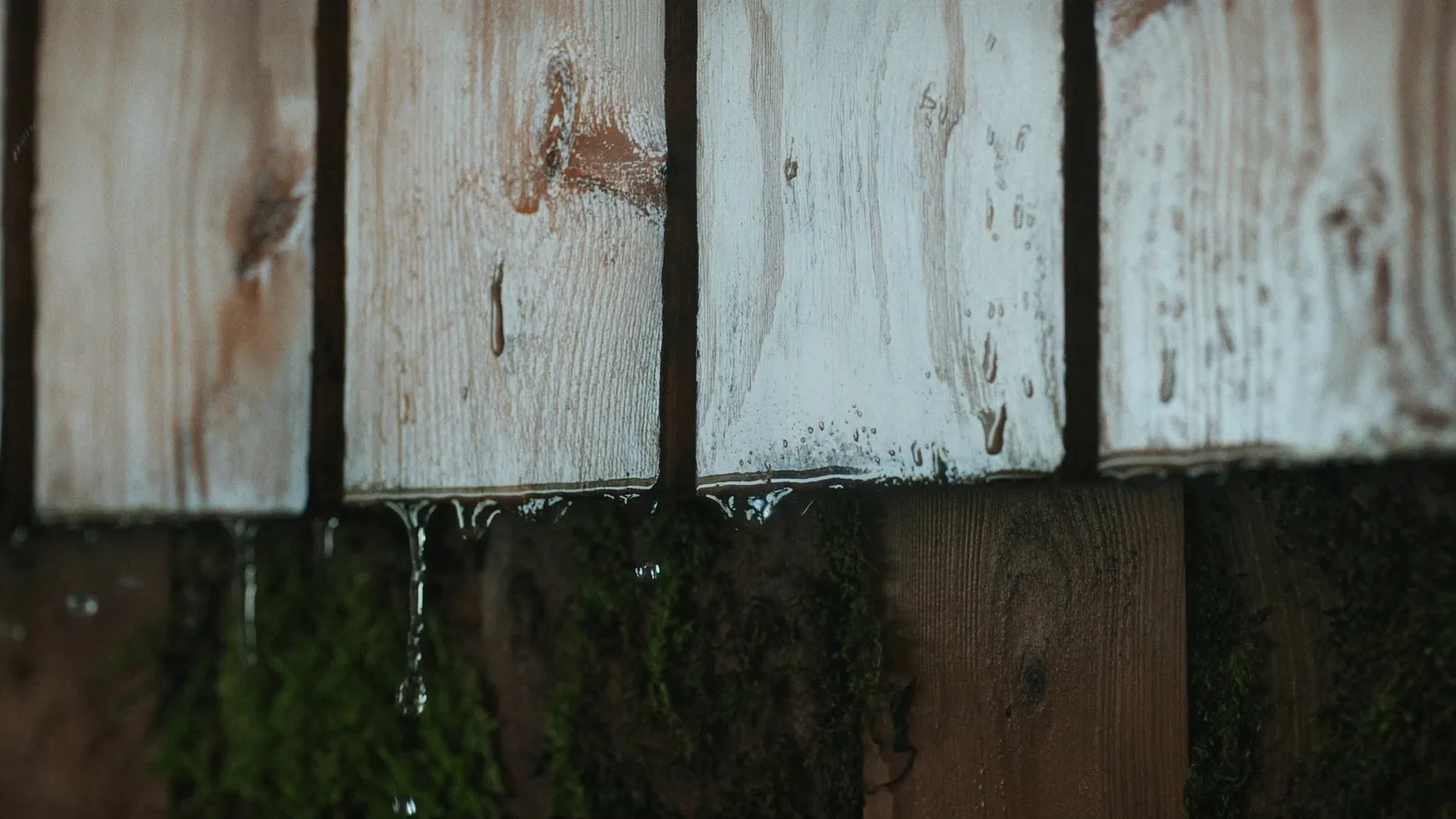
- Saturated soil: After weeks of PNW rain, the ground around your footings turns soft. Wet soil grips posts far less than dry soil, so the same wind that a fence shrugs off in summer can tip it over in December.
Add in aging wood, shallow or undersized footings, and rot at the base of posts, and you have the recipe for the classic post-storm lean.
How to Assess the Damage
Before deciding anything, walk the fence and look closely. The panels themselves are rarely the real story — the posts are.
- Push-test the posts: A post that rocks in the ground has a footing problem, even if it still looks upright.
- Check the base of each post: Soft, dark, crumbling wood at ground level means rot was already weakening it before the storm.
- Look at the lean: If a whole run tilts uniformly, the footings gave way. If individual panels are damaged but posts are solid, it is a lighter repair.
- Count the failures: A couple of loose posts is a repair. Widespread movement across the fence points toward replacement.
Repair or Replace? A Simple Framework
| Situation | Usually the Right Call |
|---|---|
| 1–2 loose posts, rest of fence solid and fairly new | Repair / re-set posts |
| A single damaged section, sound posts elsewhere | Section repair |
| More than ~1/3 of posts loose, broken, or rotted | Replace |
| Fence already 15+ years old and showing wear | Replace |
| Repeated repairs to the same run year after year | Replace (cheaper over time) |
If you land on replacement, our Tacoma fence cost guide will help you budget, and protecting a wood fence from PNW rain covers keeping the new one healthy.
What to Do Right After a Storm
- Make it safe: If a downed fence leaves your yard open, secure pets and children and cordon off any hazard like a broken post or exposed nails.
- Document everything: Photograph the damage from several angles before you move anything. This matters for insurance.
- Do a temporary fix if needed: Bracing a leaning section or tarping can prevent further damage, but avoid permanent repairs until you have assessed the full picture.
- Get a written estimate: A detailed repair-or-replace estimate helps with both your decision and any insurance claim.
Will Insurance Cover It?
Many homeowners policies cover fence damage from wind or a fallen tree, typically subject to your deductible and some depreciation for the fence's age. Coverage varies widely, so the photos you take and the written estimate you obtain are important. We are glad to provide documentation you can submit with a claim.
Preventing the Next Failure
The best time to storm-proof a fence is now, before the October–February windstorm season. Proper post depth and footings, good drainage away from post bases, correct spacing, and choosing a wind-appropriate design all reduce the odds of failure. Simple seasonal maintenance — swapping out a rotted post, resecuring a loose panel, clearing soil buildup at the base — keeps small problems from turning into a collapsed run when the next big blow arrives.
Fence Down? We Can Help.
South Sound Fencing repairs and replaces storm-damaged fences throughout Tacoma, Pierce County, and South King County. If your fence is leaning, sagging, or on the ground, contact us for a prompt assessment and a clear repair-or-replace recommendation — no pressure, just an honest look at your options.